Our Products
We produce best products including :
Crude Glycerine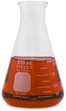
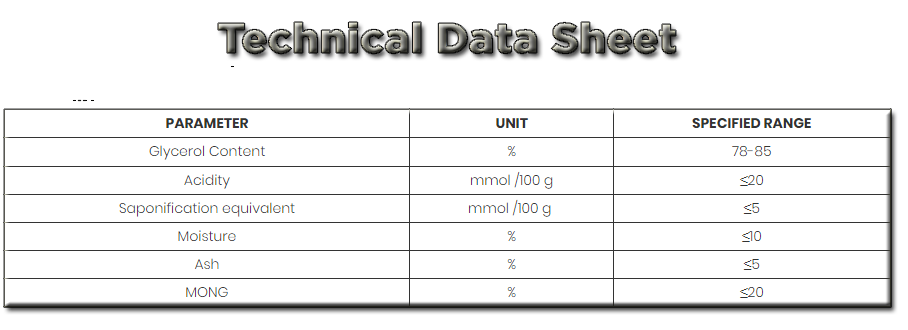
Our Crude Gycerine production has 3 types of variants
|
Crude Coconut Oil (CNO)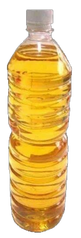
The Crude Coconut Oi we produce has 2 types
|
Crude Glycerine
Brief Overview
Crude glycerin, which has a naturally sweet taste and a viscous texture ranging from dark brown to light yellow, is an unrefined form of glycerin. It is derived from natural and chemical raw materials, primarily found in vegetable oils and fats as triglycerides, and also in animal fats. As a by-product of biodiesel production and the oleochemical industry, crude glycerin is obtained during these processes. The increasing emphasis on renewable energy sources has led to an increase in biodiesel production, which has resulted in an increase in crude glycerin production. Typical specifications for crude glycerin include approximately 80% glycerin, with the remainder consisting of impurities such as methanol, soap, catalysts, salts, non-glycerin organic matter, and water.
Manufacturing Process
Degumming
Degumming is an important step in vegetable oil refining, which involves the precise removal of phosphatides through centrifugation. Water is introduced to facilitate the precipitation of phosphatides dissolved in the oil, converting them into a heavier mass due to the absorbed water content. Subsequent centrifugation allows these phosphatides to migrate to the aqueous phase, effectively removing impurities from the oil. This important process not only improves the quality of the vegetable oil but also extends its shelf life.
Deacidification
Deacidification comes next in the spotlight, using a series of solvent extraction techniques on vegetable oil. The initial step involves stirring the vegetable oil in methanol, which causes the free fatty acids to preferentially dissolve in methanol, thereby reducing their concentration in the oil. Since these free fatty acids are responsible for the oxidation of the oil and its unpleasant odor, their removal is essential to increase shelf life and facilitate further refining.
Transesterification/saponification
The deacidified oil then undergoes a transformative step known as transesterification/saponification. This complex process, carried out under high temperature and pressure with the help of water, breaks down the triglyceride chains into glycerol/glycerin and fatty acids. In particular, this step makes the glycerin easy to extract, thus preparing it for further refining.
Crude glycerin, which has a naturally sweet taste and a viscous texture ranging from dark brown to light yellow, is an unrefined form of glycerin. It is derived from natural and chemical raw materials, primarily found in vegetable oils and fats as triglycerides, and also in animal fats. As a by-product of biodiesel production and the oleochemical industry, crude glycerin is obtained during these processes. The increasing emphasis on renewable energy sources has led to an increase in biodiesel production, which has resulted in an increase in crude glycerin production. Typical specifications for crude glycerin include approximately 80% glycerin, with the remainder consisting of impurities such as methanol, soap, catalysts, salts, non-glycerin organic matter, and water.
Manufacturing Process
Degumming
Degumming is an important step in vegetable oil refining, which involves the precise removal of phosphatides through centrifugation. Water is introduced to facilitate the precipitation of phosphatides dissolved in the oil, converting them into a heavier mass due to the absorbed water content. Subsequent centrifugation allows these phosphatides to migrate to the aqueous phase, effectively removing impurities from the oil. This important process not only improves the quality of the vegetable oil but also extends its shelf life.
Deacidification
Deacidification comes next in the spotlight, using a series of solvent extraction techniques on vegetable oil. The initial step involves stirring the vegetable oil in methanol, which causes the free fatty acids to preferentially dissolve in methanol, thereby reducing their concentration in the oil. Since these free fatty acids are responsible for the oxidation of the oil and its unpleasant odor, their removal is essential to increase shelf life and facilitate further refining.
Transesterification/saponification
The deacidified oil then undergoes a transformative step known as transesterification/saponification. This complex process, carried out under high temperature and pressure with the help of water, breaks down the triglyceride chains into glycerol/glycerin and fatty acids. In particular, this step makes the glycerin easy to extract, thus preparing it for further refining.
Crude Coconut Oil
Crude Coconut Oil (CNO) or crude coconut oil is the main product produced and marketed by us. This product comes from the process of squeezing oil from copra or fresh dried coconut meat. The CNO manufacturing process has gone through a standard quality test stage and a series of production stages. The production stages start from the use of a crushing machine, heating process, squeezing to filtering. The purpose of filtering is to purify and clean unwanted impurities from the oil produced.
After this process, the CNO product produced cannot be consumed directly by the public because it still contains free fatty acids in coconut oil with a percentage of more than 0.1 percent. Through further purification processes and proper production, it can produce processed products that are ready for consumption by the public. CNO products are very good for use as raw materials for the food and non-food industries.
CNO processed products are not only in the form of cooking oil, but can produce many other derivative products. CNO can be processed as a raw material for the oleochemical industry for the manufacture of soap and cosmetic products. Enriched with vitamins and minerals, coconut oil is good for beauty products that are healthy for the skin. Coconut oil also makes soap smoother and softer when used to cleanse the body. Therefore, coconut oil is also suitable for making sunscreen or lotion.
In addition, coconut oil can be used as an ingredient in making hair products. The content in coconut oil is believed to moisturize hair, repair damaged hair and make hair healthier and shinier. This natural oil is antimicrobial and antifungal so it can help treat dandruff caused by fungus on the scalp and prevent head lice.
On the other hand, CNO can be used as an environmentally friendly biodiesel fuel. Generally, CNO is often used by the food industry as a basic ingredient in producing margarine, white butter, coconut cooking oil, and creamer. This CNO processing can be utilized by the wider community.
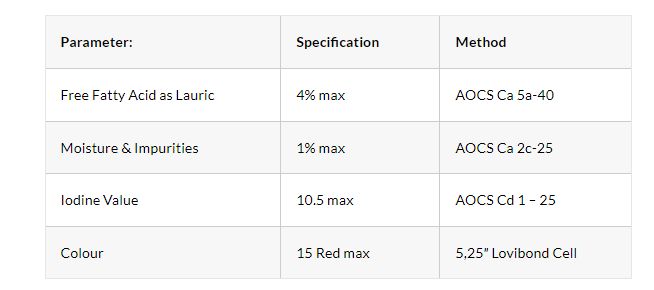
with the spesification :
After this process, the CNO product produced cannot be consumed directly by the public because it still contains free fatty acids in coconut oil with a percentage of more than 0.1 percent. Through further purification processes and proper production, it can produce processed products that are ready for consumption by the public. CNO products are very good for use as raw materials for the food and non-food industries.
CNO processed products are not only in the form of cooking oil, but can produce many other derivative products. CNO can be processed as a raw material for the oleochemical industry for the manufacture of soap and cosmetic products. Enriched with vitamins and minerals, coconut oil is good for beauty products that are healthy for the skin. Coconut oil also makes soap smoother and softer when used to cleanse the body. Therefore, coconut oil is also suitable for making sunscreen or lotion.
In addition, coconut oil can be used as an ingredient in making hair products. The content in coconut oil is believed to moisturize hair, repair damaged hair and make hair healthier and shinier. This natural oil is antimicrobial and antifungal so it can help treat dandruff caused by fungus on the scalp and prevent head lice.
On the other hand, CNO can be used as an environmentally friendly biodiesel fuel. Generally, CNO is often used by the food industry as a basic ingredient in producing margarine, white butter, coconut cooking oil, and creamer. This CNO processing can be utilized by the wider community.
with the spesification :